River and Creek Crossings in Northern BC: What Every Hiker Needs to Know
River and creek crossings are part of almost every trip we run in northern BC.
I’ve rerouted more times than I can count — not because we weren’t prepared, but because the mountains up here don’t negotiate. A hundred millimetres of rain can turn a gentle drainage into something that’ll knock you off your feet in seconds. And sometimes it’s just a minor creek running higher than expected that changes everything.
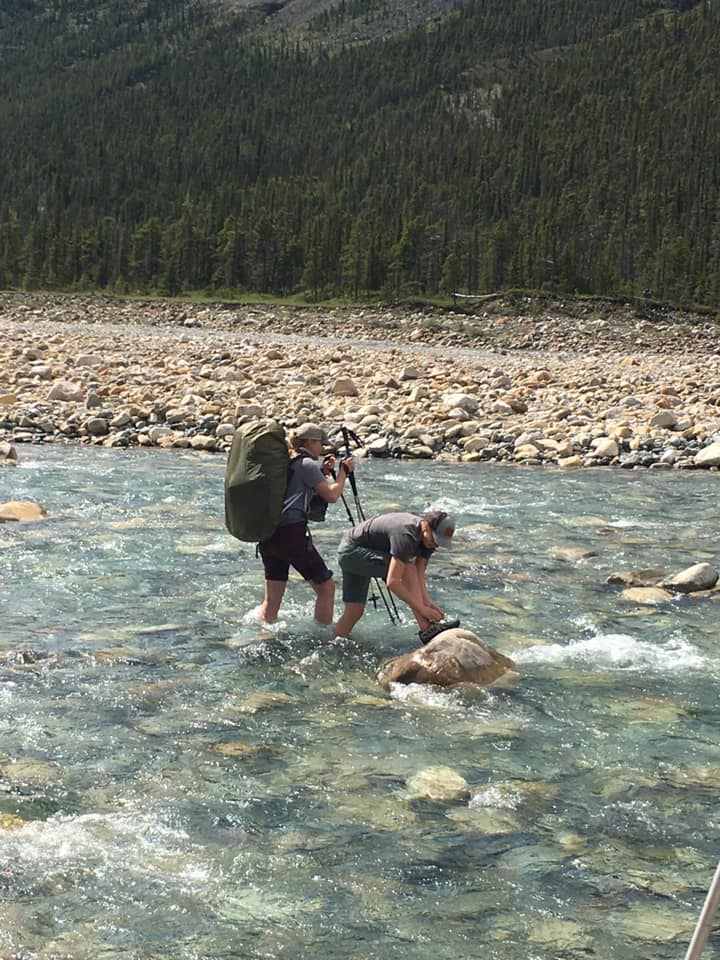
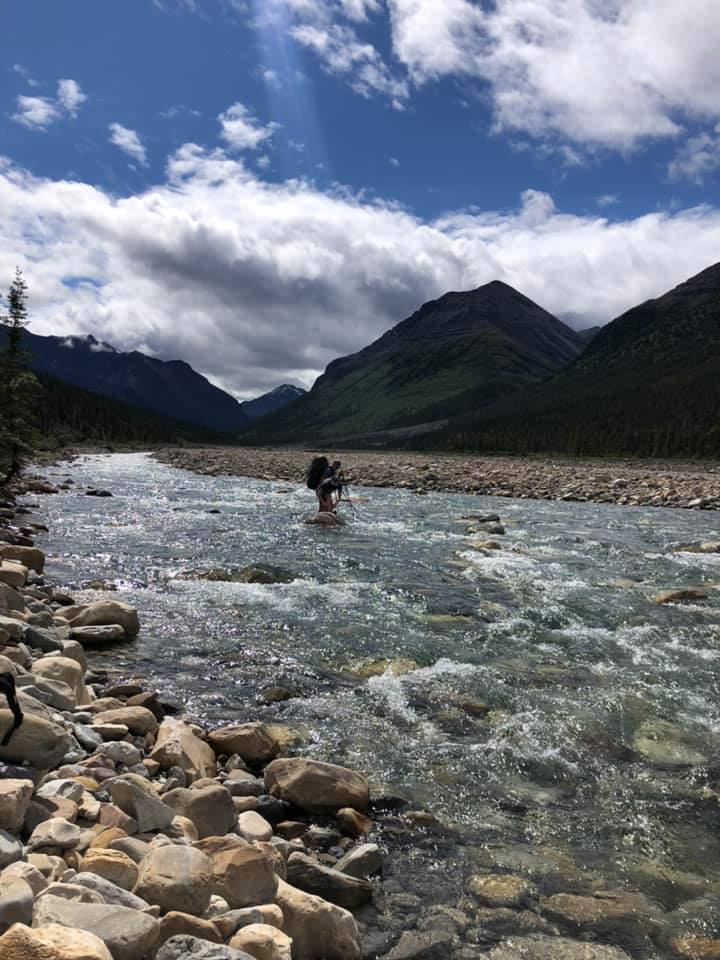
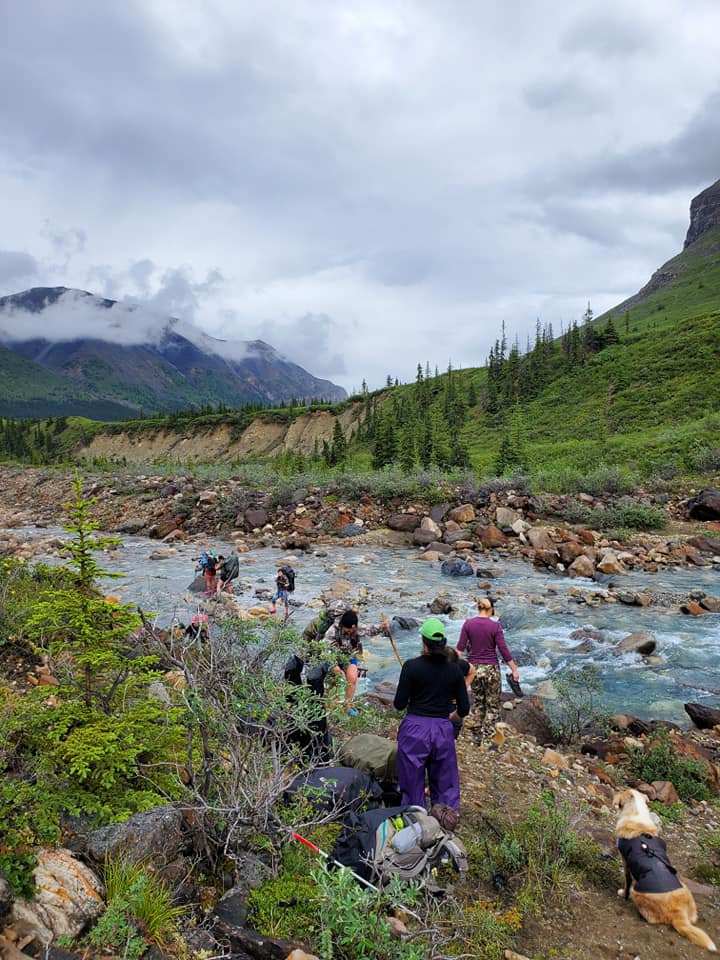
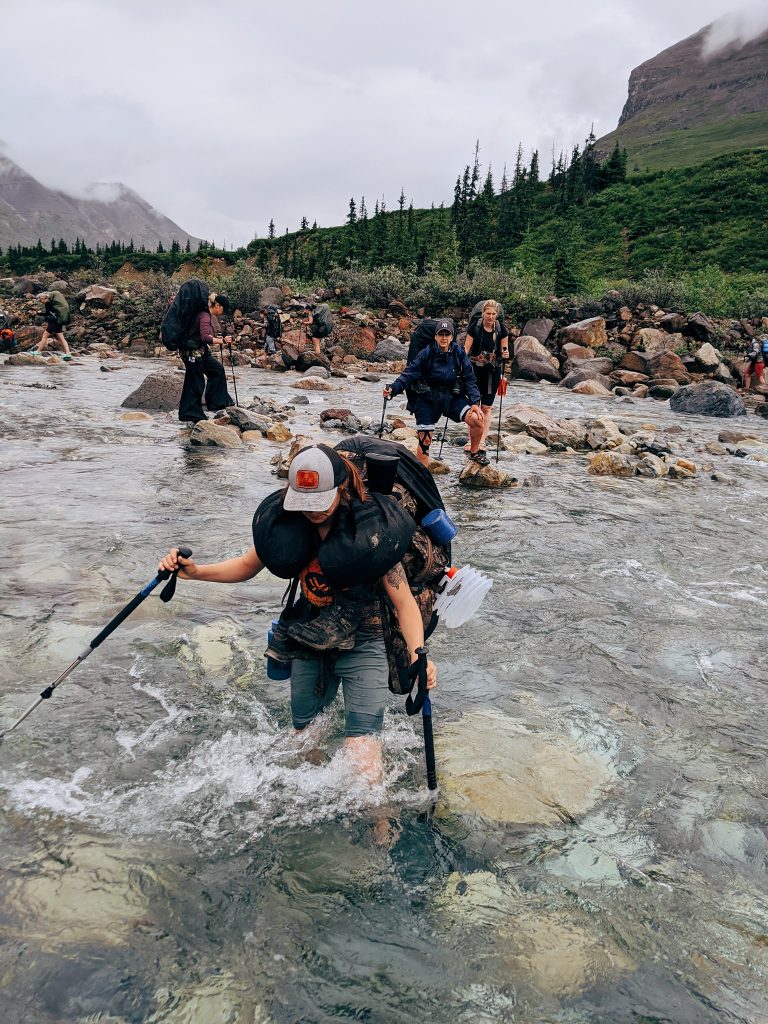
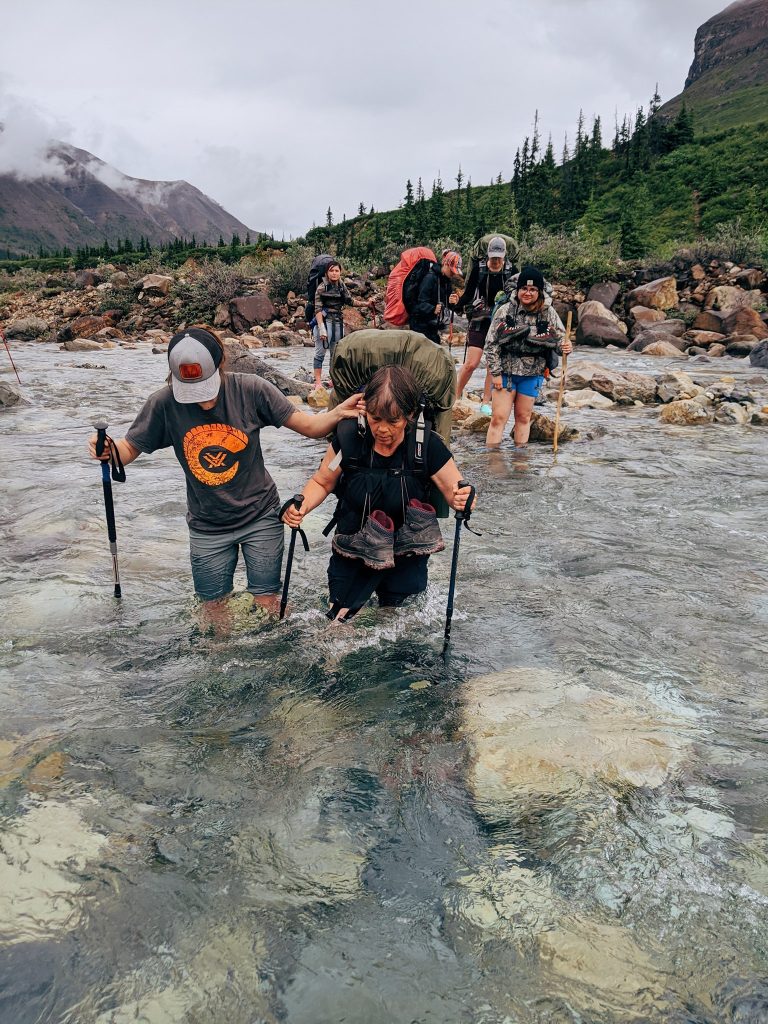
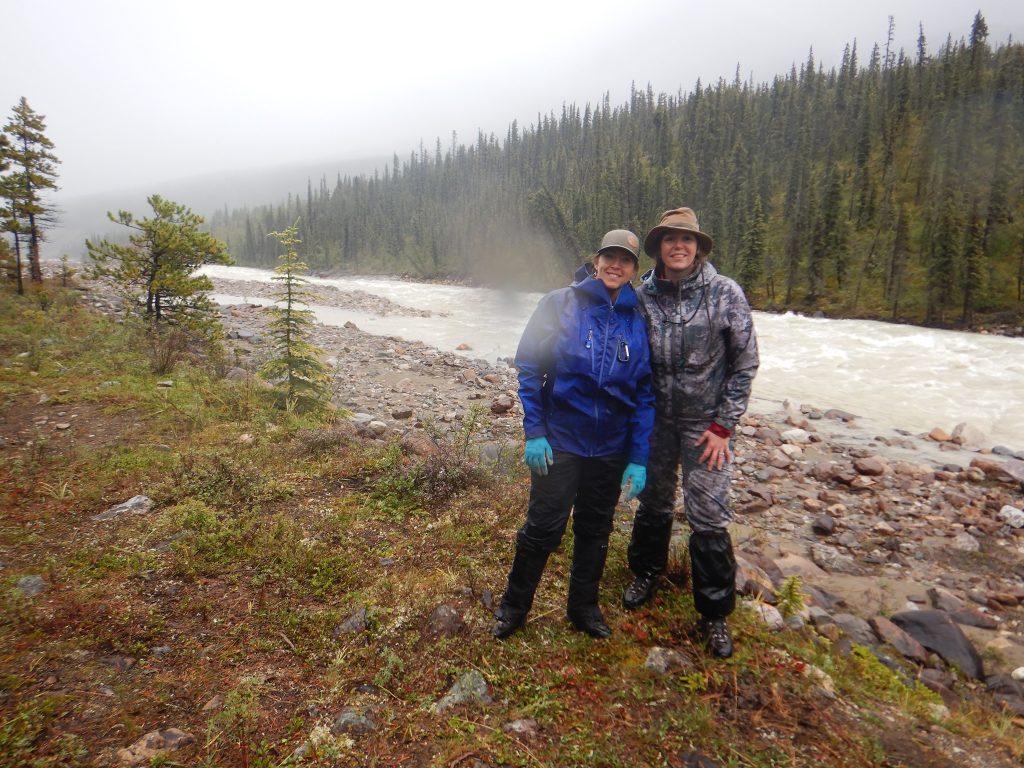
We’ve crossed water boiled brown with sediment and water so clear you could watch the fish hold current below your feet. I’ve walked groups of women through hip-height crossings when there was no other way out. And I’ve stood on the bank of the McDonald River and turned us all around, made camp before it, and waited.
That’s not failure. That’s wilderness travel done right.
The North Doesn’t Give You Warnings
Two years ago we had a 100ml rain event that changed the McDonald River Valley permanently. I watched that river move the mountains. Literally shift the land. Routes I’d walked a dozen times looked completely different on the other side of that storm. What was a manageable ford became something else entirely — and it hasn’t fully gone back.
That valley has challenged me more times than I can count. But we always move through it — sometimes on the route we planned, sometimes not. That’s the north. That’s the work.
I share this not to scare you, but because understanding water in this landscape is one of the most important skills you can have. It’s not about being fearless. It’s about being informed.
Before You Step In: The Dos
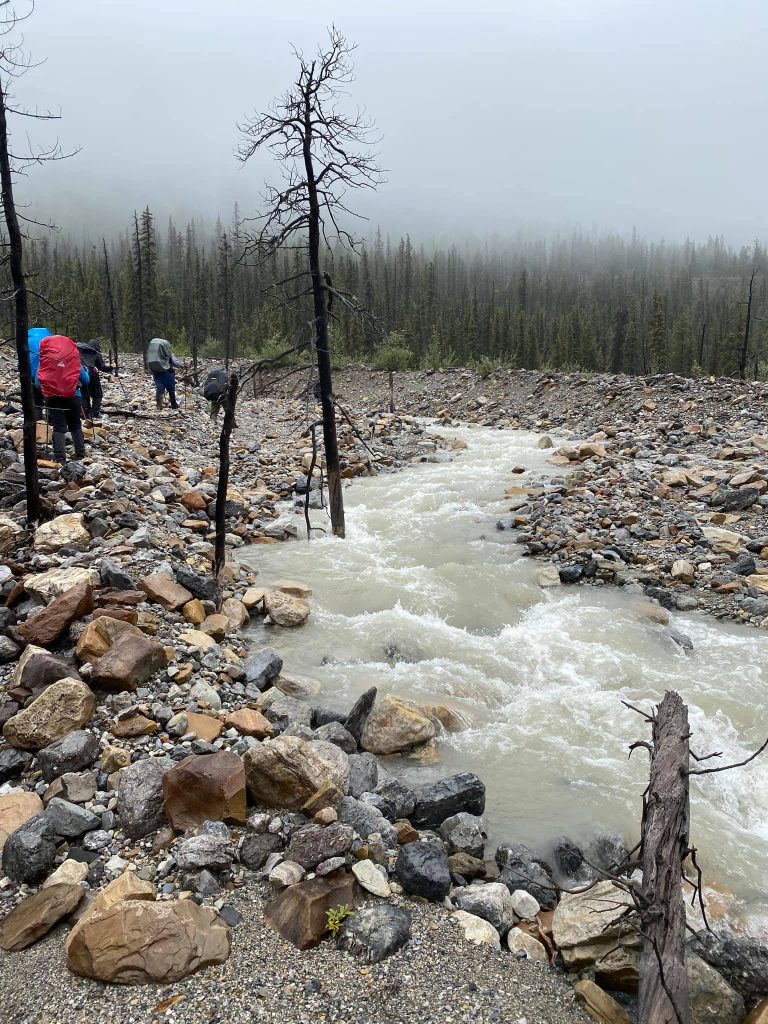
Scout before you commit. Walk upstream and downstream before you pick your crossing point. What you see from the trail isn’t always the best option.
Find where the river widens. Water disperses at wide points and naturally shallows out. Water is lazy — it always takes the path of least resistance. That’s where you want to be. The widest section of a river is almost always the shallowest.
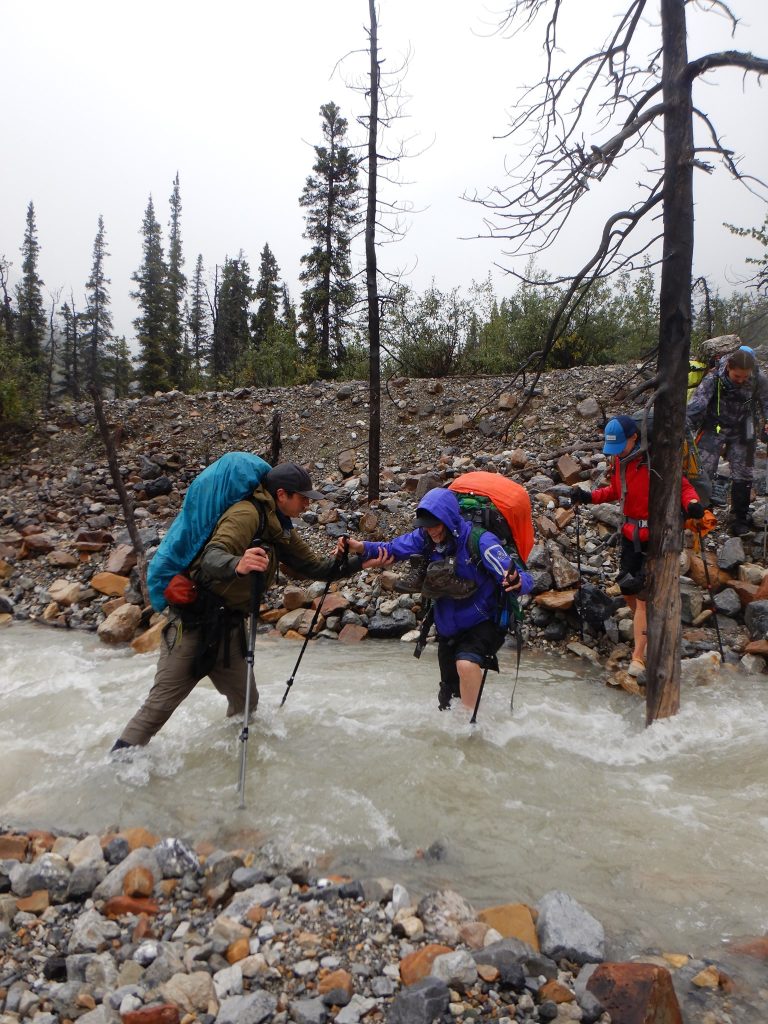
Unbuckle your hip belt and loosen your shoulder straps. If you go down, you need to get out of your pack fast. A loaded pack will hold you under. This is non-negotiable.
Bring a third point of contact. A trekking pole, a sturdy stick — anything to give you stability. Plant it upstream, lean into it, and move deliberately.
Face upstream and cross at a downstream angle. Don’t fight the current. Work with it. Angle your body and your steps so the water is helping push you across, not knocking you sideways.
Always cross with a friend. Never alone. Not on a quick day hike, not on a familiar trail. Water changes. Conditions change. Have someone with you who can act if something goes wrong.
Know When to Turn Around: The Don’ts
If the water is above your knee, think twice. I’ve crossed hip-height water and walked groups through it — but that was necessity and years of experience, not convenience. Knee-deep moving water has a lot of force behind it. Respect that.
Never cross above rapids, waterfalls, or logjams. If you go in above any of those, the consequences compound fast. Always know what’s downstream before you step in.
Don’t force it. If something feels off — the sound of the water, the colour, the speed — trust that instinct. Reroute. Make camp. Come back tomorrow. We crossed a small creek without hesitation on one trip, and the McDonald stopped us cold the same day. We set up camp, waited, and moved through the next morning. The wilderness will always be there.
A Note on Water Colour
Brown, silty water isn’t always more dangerous than clear water — but it does mean you can’t read the bottom. You lose your ability to judge depth and footing. When water runs brown in northern BC, it usually means significant upstream rainfall or snowmelt. That’s important information. Treat it accordingly.
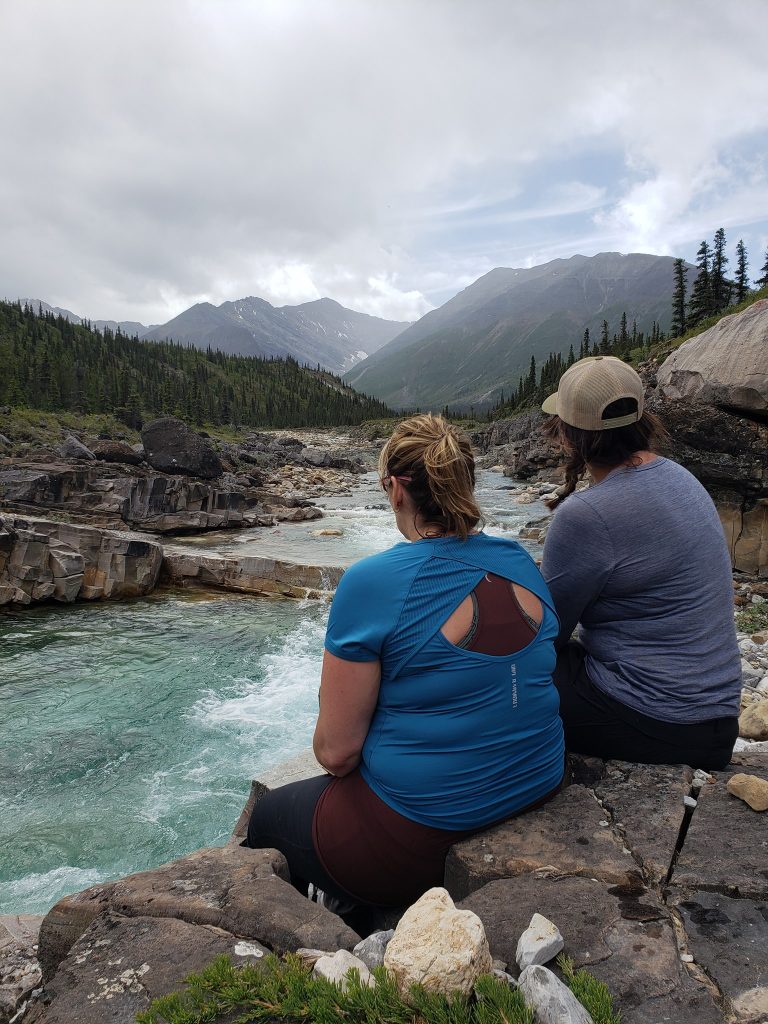
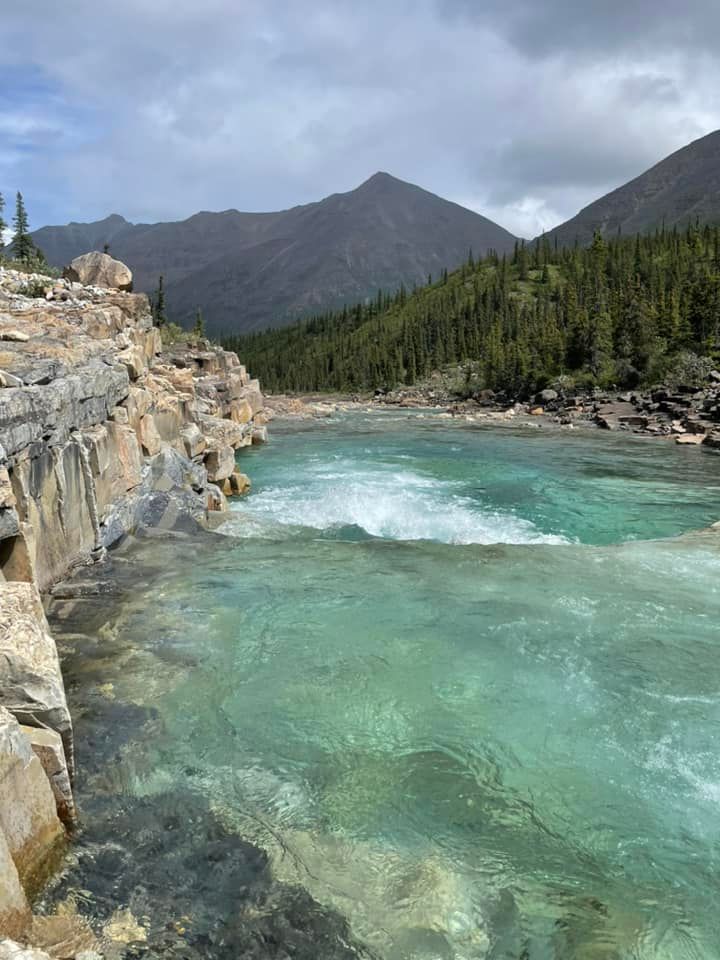
Clear water that you can watch fish through? Still check the depth. Still scout. Still unbuckle.
Why This Matters on Our Trips
At Peak Wyld Co., water crossings are something we brief every group on before we hit the trail. Not to create anxiety, but because an informed hiker is a safe hiker. The landscape we operate in — from the Peace Region to the Liard — is dynamic, wild, and genuinely remote. We don’t have the luxury of assuming conditions will be the same as the last time someone walked that route.
When I guide a group, I’m reading the water the entire trip. I’m making decisions based on what I see, what the weather has done, and what I know about the drainage we’re in. And when the answer is no — we go a different way.
That’s the job. And honestly, it’s one of the parts I love most about it.
Peak Wyld Co. offers guided day hikes, backpacking trips, and wilderness education across northern British Columbia. If you want to learn more about travelling safely in this landscape, follow along on Instagram or reach out directly.